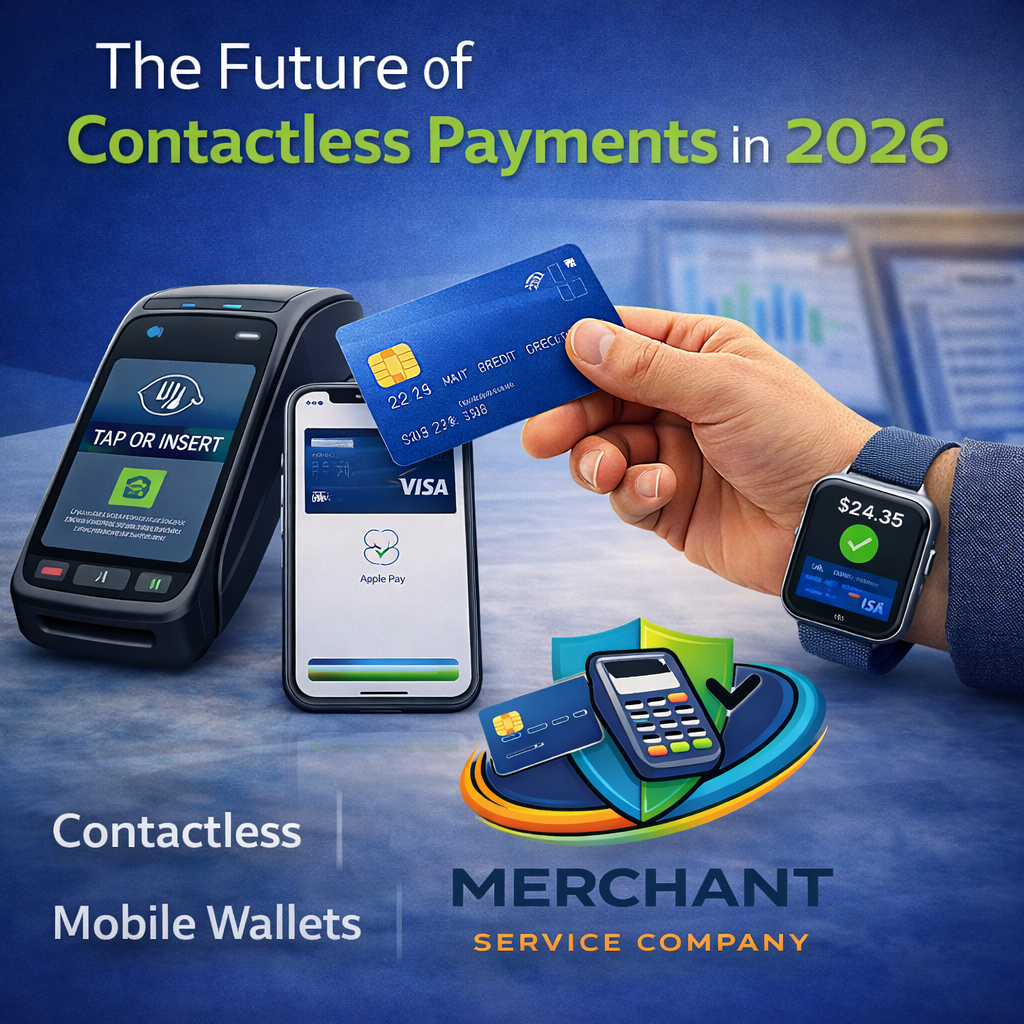
Over the last few years, contactless payments have moved from a convenience to an expectation. In 2026, tapping a card, phone, or smartwatch at checkout is becoming the default way consumers pay.
For merchants, the rise of contactless technology is reshaping how businesses accept payments, improve speed at checkout, and deliver better customer experiences.
Let's take a look at the key trends shaping the future of contactless payments.
1. Contactless Is Becoming the Preferred Way to Pay
Consumer behavior has shifted dramatically toward tap-to-pay transactions. Studies show that more than 53% of U.S. consumers now prefer contactless payments for in-store purchases, with younger generations adopting the technology even faster.
Globally, adoption has surged because contactless payments are:
- ✓ Faster than inserting a card
- ✓ More convenient than carrying cash
- ✓ Highly secure with tokenization and encryption
In fact, 71% of consumers worldwide now prefer contactless payments over traditional methods like chip or swipe transactions.
For merchants, that means offering tap-to-pay is no longer optional—it's essential.
2. Mobile Wallets Are Driving the Next Wave
Mobile wallets such as Apple Pay, Google Pay, and Samsung Pay are playing a major role in contactless growth.
By 2026, over 5 billion people worldwide are expected to use digital wallets, representing more than half of the global population.
In the United States alone:
- • Nearly 69% of adults have used a digital wallet in the past year
- • Apple Pay alone is projected to reach 67 million U.S. users by 2026
Mobile wallets are becoming the "front door" of banking and payments, allowing consumers to store cards, loyalty programs, transit passes, and even IDs inside a single app.
3. Tap-to-Phone Is Eliminating Traditional POS Hardware
One of the fastest growing innovations is Tap-to-Phone technology.
This allows merchants to accept contactless payments directly on a smartphone—no external card reader required.
Adoption is accelerating quickly. Visa reported that Tap-to-Phone usage grew 200% year-over-year worldwide, helping small businesses accept payments anywhere.
For small businesses, this means:
- ✓ Lower startup costs
- ✓ Faster onboarding for new merchants
- ✓ Mobile checkout capabilities for field sales, restaurants, and events
4. Speed and Customer Experience Matter More Than Ever
Today's consumers expect checkout to be quick and frictionless.
Contactless payments typically process in seconds, which can significantly reduce lines and improve the overall shopping experience.
For businesses with high transaction volume—such as quick-service restaurants, retail stores, and entertainment venues—this speed advantage can directly translate into increased revenue.
5. Security Is Stronger Than Many People Realize
While some consumers worry about security, contactless payments are actually among the safest payment methods available.
Modern contactless transactions use:
- • Tokenization
- • Dynamic cryptograms
- • Biometric authentication (Face ID / fingerprint)
These technologies ensure that the actual card number is never shared with the merchant, dramatically reducing fraud risk.
What This Means for Merchants
Businesses that adopt contactless payment technology gain several advantages:
- ✔ Faster checkout experiences
- ✔ Improved customer satisfaction
- ✔ Support for modern payment methods
- ✔ Reduced cash handling
- ✔ Access to mobile and digital wallet users
With the digital payment market expected to continue growing rapidly through the next decade, merchants who modernize their payment systems today will be best positioned for the future.
Final Thoughts
Contactless payments are no longer a "future trend." They are quickly becoming the standard for how consumers interact with businesses.
From tap-to-pay cards and mobile wallets to Tap-to-Phone technology, the payments industry is moving toward a faster, more convenient, and more secure checkout experience.
For merchants, the message is clear:
The future of payments is contactless—and that future is already here.